

In recent years, the ways in which pet owners care for their beloved animals have evolved significantly. As our understanding of animal health and wellness grows, so too does the array of methods available to ensure that pets live long, happy, and healthy lives. From innovative medical practices to everyday preventive measures, modern approaches to pet care are more comprehensive and accessible than ever before. This article explores some of the key strategies used today to keep our furry, feathered, and scaled friends in top condition.
Animal Vaccinations: A Cornerstone of Preventive Care
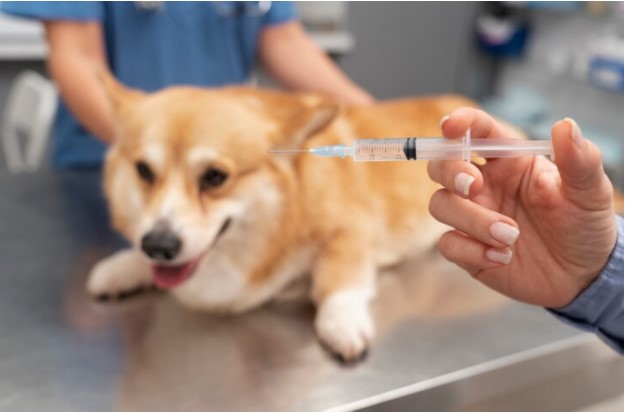
One of the foundational elements of contemporary pet care is the use of animal vaccinations. Vaccinations play a crucial role in preventing a range of infectious diseases that can affect pets. By stimulating the immune system, vaccines help animals build resistance against potentially life-threatening illnesses such as rabies, distemper, and parvovirus. Veterinarians recommend vaccination schedules tailored to each pet’s needs, considering factors such as age, lifestyle, and health status. This personalized approach ensures that pets receive optimal protection throughout their lives, reducing the risk of outbreaks and safeguarding community health.
Pet Medical Center: Comprehensive Health Services
A key aspect of modern pet care is the role of the pet medical center in providing comprehensive health services. These centers offer a wide range of services beyond basic veterinary care, including dental cleanings, nutritional counseling, and advanced diagnostic testing. By offering a holistic approach to pet health, pet medical centers can address a variety of needs under one roof, making it easier for pet owners to manage their pet’s health care. The integration of technology in these centers, such as digital radiography and telemedicine consultations, further enhances the quality and accessibility of care, ensuring that pets receive timely and accurate diagnoses.
Nutrition and Exercise: Foundations of Pet Wellness
Proper nutrition and regular exercise are fundamental to maintaining a pet’s overall health and well-being. As with humans, a balanced diet rich in essential nutrients is vital for pets to thrive. Pet food companies have responded to this need by offering specialized diets tailored to specific breeds, life stages, and health conditions. Pet owners are increasingly educated about reading labels and selecting high-quality food that meets their pet’s unique requirements.
In addition to nutrition, exercise is essential for keeping pets physically and mentally stimulated. Regular walks, playtime, and interactive toys help prevent obesity and related health issues, while also providing an outlet for energy and stress relief. For pets that require more specialized exercise, activities such as agility training and swimming can offer both physical and mental benefits.
Microchipping and Identification: Ensuring Safety
In today’s world, ensuring that pets are easily identifiable is crucial for their safety and protection. Microchipping has become a popular and effective method for reuniting lost pets with their owners. This small, electronic chip is implanted under the pet’s skin and contains a unique identification number linked to the owner’s contact information. Unlike collars and tags, which can easily be lost or removed, microchips provide a permanent form of identification that significantly increases the chances of a lost pet being returned home.
Behavioral Training: Enhancing Quality of Life
Behavioral training is another vital component of modern pet care, as it helps address common issues such as aggression, anxiety, and destructive behavior. Professional trainers use positive reinforcement techniques to teach pets desirable behaviors, improving their interactions with both humans and other animals. This not only enhances the pet’s quality of life but also strengthens the bond between pets and their owners. Well-trained pets are less likely to be surrendered to shelters, contributing to a more stable and loving home environment.
Regular Health Check-Ups: Early Detection and Prevention
Routine health check-ups are an essential part of preventive care, allowing veterinarians to monitor a pet’s health and detect potential issues before they become serious. These check-ups typically include a physical examination, blood tests, and parasite screenings. By identifying health problems early, veterinarians can provide timely interventions and tailor treatment plans to the pet’s specific needs. Regular veterinary visits also offer an opportunity for pet owners to discuss any concerns and receive expert advice on topics such as diet, behavior, and preventive care.
Conclusion
In conclusion, modern approaches to keeping pets healthy, safe, and well-protected are multifaceted and continually evolving. From the foundational importance of animal vaccinations and the comprehensive services offered by pet medical centers, to the crucial roles of nutrition, exercise, and behavioral training, pet owners have more resources than ever to ensure their pets lead fulfilling lives. By embracing these strategies, we not only enhance the well-being of our pets but also enrich our own lives with their companionship.